Introduction to Information Security

Basically, information security is protecting information. But, from whom? or from what? Information should be protected from unauthorized persons and should be kept safe without any data loss.
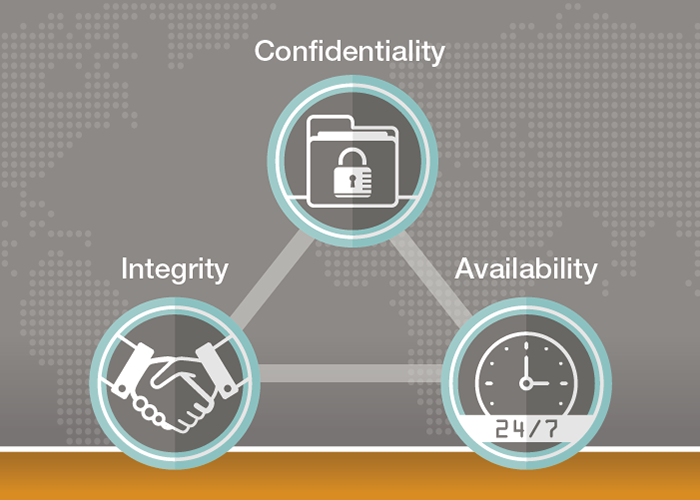
Information Security has basic 3 components, commonly known as CIA. They are,
- Confidentiality
- Integrity
- Availability
Sensitive information is only disclosed to authorized parties. Examples of confidentiality of electronic data being compromised include laptop theft, password theft, or sensitive emails being sent to the incorrect individuals.
Integrity
Prevent unauthorized modification of data. Information security systems typically provide message integrity alongside to confidentiality.
Availability
Guarantee the data can be accessed by authorized parties when requested. High availability systems aim to remain available at all times, preventing service disruptions due to power outages, hardware failures, and system upgrades.
Threats
Threats to sensitive and private information come in many different forms, such as malware and phishing attacks, identity theft and ransomware.
Possible responses to a security threat or risk are:
- reduce/mitigate – implement safeguards and countermeasures to eliminate vulnerabilities or block threats
- assign/transfer – place the cost of the threat onto another entity or organization such as purchasing insurance or outsourcing
- accept – evaluate if the cost of the countermeasure outweighs the possible cost of loss due to the threat


Comments
Post a Comment